
Resources
Reading worth your time
Articles on foot and ankle health, on the conditions we treat most, and on the coding and documentation side of podiatric practice.
Start here
Latest
Staying steady on your feet as you get older
Balance is a skill that fades without practice, and the feet are where much of it is generated. What helps, and what quietly makes falls more likely.
Foot and ankle
10 articlesFlat feet: when they matter and when they do not
Plenty of people have flat feet and no symptoms at all. The question is not whether the arch is low, but whether it is causing problems or changing.
The ankle sprain that never quite healed
If your ankle still gives way on kerbs and uneven ground years later, the original sprain was probably never rehabilitated. That is treatable.
Burning pain in the ball of your foot: is it a neuroma?
A pebble that is not there, burning between the toes, numb toes that come and go. What a neuroma is, and what separates it from the other causes of forefoot pain.
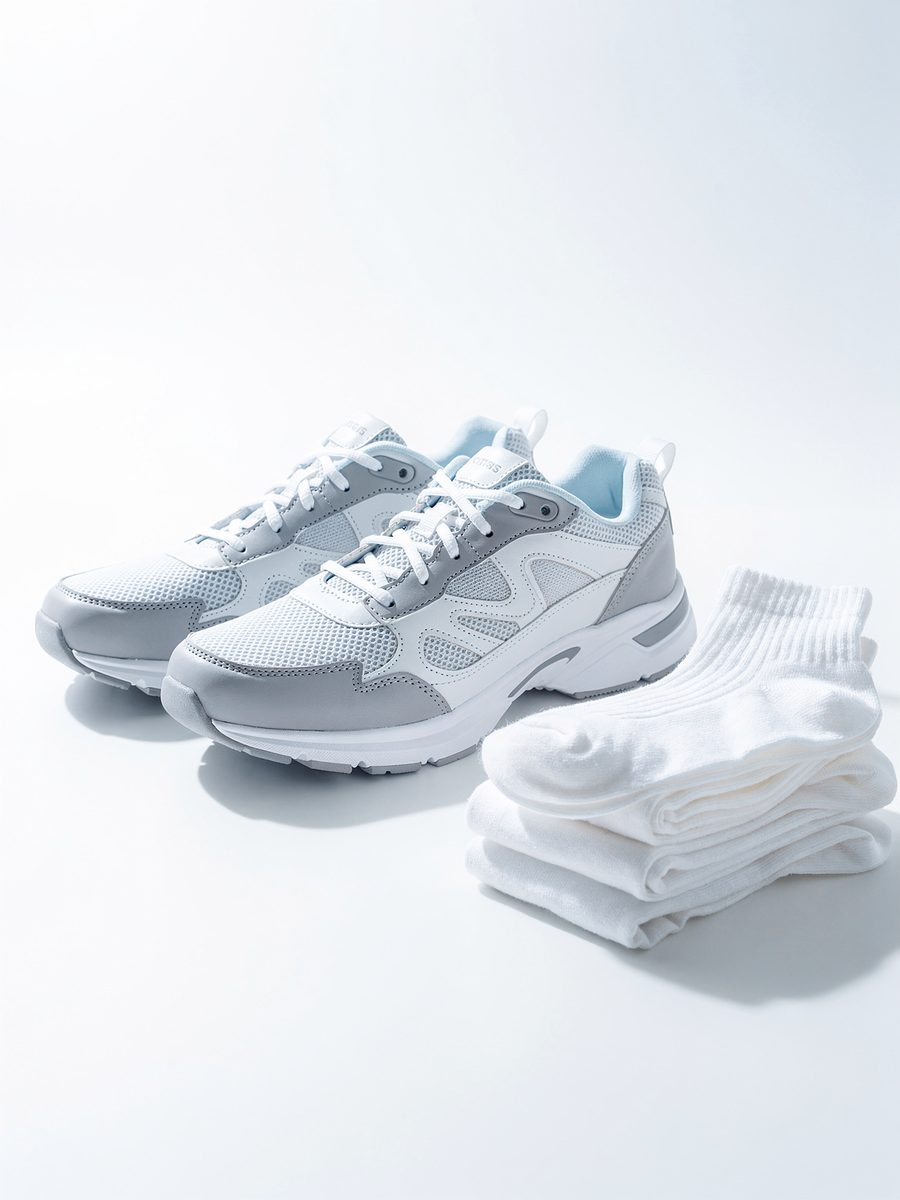
How to buy shoes that actually fit your feet
Most people are wearing the size they wore at twenty. Feet change. Here is how to measure, when to shop, and the three checks that matter more than the number on the box.
Why home surgery on an ingrown toenail usually makes it worse
Digging out the corner feels like it helps for a day. Here is what it actually does to the nail, and why a routine office procedure settles it for good.
Why drugstore treatments rarely clear fungal toenails
Thick, yellow, crumbling nails persist for years despite over-the-counter paints. The reason is physical, not a matter of trying harder.
The one-minute diabetic foot check, step by step
Diabetes can mute the warning signal that pain normally provides. A daily look takes a minute and catches the problems that become serious when nobody notices them.
Bunions: what actually works, and what does not
Splints, spacers and exercises are sold as bunion correctors. Here is what they can genuinely do, what they cannot, and when the conversation turns to surgery.
Plantar fasciitis or a heel spur: which one do you have?
A heel spur shows on an X-ray. Plantar fasciitis explains the pain. Here is why the two are confused, and why the spur is usually not the thing that needs treating.
Why does your heel hurt most in the morning?
Morning heel pain that eases after a few minutes of walking is the signature of plantar fasciitis. Here is why the first steps are the worst, and what actually shortens them.
General health
5 articlesHow foot pain quietly changes the rest of your body
People adapt to foot pain without noticing. The adaptation is often what brings them in, months later, with a knee, hip or back complaint.
Circulation, walking, and why movement is the treatment
Cramping in the calf that stops when you stop is a circulation signal. Counter-intuitively, walking is one of the better responses to it.
Numbness, burning and pins and needles: what neuropathy is telling you
Nerve symptoms in the feet are easy to dismiss because they are not painful in the ordinary sense. They are information worth acting on.
Why diabetes reaches your feet first
Of all the places diabetes affects, the feet are where problems appear earliest and escalate fastest. The reason is the combination of three changes happening at once.
Coding and billing
5 articlesThe podiatry claim denials that repeat, and how to stop them
A small number of denial reasons account for most of the rework in a podiatry practice. Each has a fix at the point of documentation rather than at appeal.
In-office or outpatient: how the site of service changes the claim
The same procedure reimburses differently depending on where it happens, and the patient's share changes with it. What drives the difference and what to tell patients.
Documenting medical necessity in podiatry without writing a novel
Medical necessity is proved by specifics, not by length. The elements a reviewer looks for, and the phrases that add words without adding support.
Toe modifiers and laterality: getting T1 through TA right
Anatomic modifiers tell a payer which toe you treated. Used correctly they prevent duplicate denials; used loosely they create them.
Routine foot care and class findings: how Q7, Q8 and Q9 work
Routine foot care is excluded from coverage until a qualifying systemic condition and documented class findings bring it back in. Here is how the three modifiers map to those findings.
Looking for something we have not covered?
Tell us at your visit. The questions patients ask most are where these articles come from.
Request an appointment